

Everything You Ever Wanted to Know About Acupuncture Needles
Acupuncture needles are one of the key tools we use to stimulate the flow of qi (vital energy) throughout the body—and they’re quite different from the needles you might associate with shots or blood draws.
What Are They Made Of?
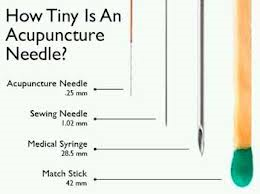
Modern acupuncture needles are made of stainless steel, which makes them both strong and flexible. They’re solid—not hollow like hypodermic needles—and more like a thin wire. In fact, they’re not much thicker than a strand of hair, and significantly thinner than sewing needles or the needles used for injections.
A Little History
Historically, acupuncture needles were made from stone, animal bones, or bamboo. While today’s needles are far more refined, the practice of using slender tools to move qi dates back thousands of years.
Sizes and Uses
Acupuncture needles come in many different gauges (thicknesses) and lengths, and are chosen based on the area being treated:
-
Shorter needles are used in areas with thinner skin and less muscle or fat (like the face or ears).
-
Longer needles are used for areas with more body fat or muscle (such as the back or thighs).
-
Thinner needles produce less stimulation, while thicker needles may be used when stronger stimulation is desired.
Safety and Disposal
Just like other medical needles, acupuncture needles are treated as biohazardous waste. After use, they are disposed of in medical-grade sharps containers and handled by licensed medical waste disposal services, following all local, state, and federal regulations.
What Does It Feel Like?
When the needle is inserted, you may feel a slight tingling, dull ache, or mild electrical sensation—this is often how we know the qi has been activated. Most patients find the sensation fades quickly, and during the session, many report an overall feeling of calm, relaxation, and well-being.
Once the needles are in place, you typically won’t feel any lingering discomfort—just a sense of the body unwinding.

Leave a Reply