

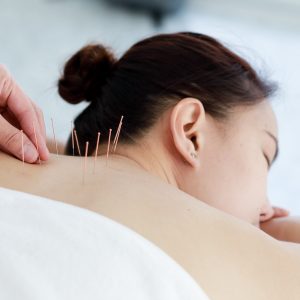
With over 20 years of clinical experience specializing in mental health, I have seen firsthand how chronic stress and anxiety can impact every system in the body. Patients often arrive feeling overwhelmed, fatigued, and disconnected—seeking relief beyond conventional approaches alone. Acupuncture offers a clinically grounded, holistic method to help regulate the nervous system and restore emotional balance.
A Nervous System Approach to Healing
From both a traditional and biomedical perspective, acupuncture works by influencing the central and peripheral nervous systems. By stimulating specific points, we can help shift the body out of a chronic “fight-or-flight” state and into a more restorative parasympathetic mode. This transition is critical for patients dealing with persistent anxiety, mood instability, and stress-related disorders.
Regulating Mood and Emotional Resilience
In my practice, I commonly treat patients experiencing anxiety, irritability, and low mood. Acupuncture has been shown to support the modulation of neurotransmitters such as serotonin and dopamine—chemicals essential for emotional regulation. Over a course of consistent treatments, many patients report improved mood stability, reduced reactivity to stressors, and a greater sense of calm and clarity.
Addressing the Physical Manifestations of Stress
Stress and anxiety are not purely psychological—they often manifest physically as muscle tension, headaches, digestive disturbances, and sleep disruption. Acupuncture allows us to address both the emotional and somatic components simultaneously. By releasing tension and improving circulation, patients frequently experience relief not only in their mood but also in their physical symptoms.
Sleep as a Foundation for Mental Health
One of the most significant improvements I observe is in sleep quality. Many patients with anxiety struggle with insomnia or restless sleep, which further exacerbates emotional imbalance. Acupuncture helps regulate sleep patterns by calming the mind and supporting the body’s natural rhythms, creating a foundation for improved mental health outcomes.
A Personalized, Integrative Treatment Plan
No two patients present the same way. Effective acupuncture treatment requires an individualized approach that considers each person’s unique pattern of symptoms, lifestyle, and health history. I often integrate acupuncture with lifestyle guidance, breathing techniques, and, when appropriate, collaboration with mental health professionals to ensure comprehensive care.
Long-Term Benefits and Preventive Care
While some patients experience immediate relaxation, the most meaningful results develop over time. Regular acupuncture sessions can build resilience, helping patients better manage stress and prevent recurrence of anxiety symptoms. In this way, acupuncture serves not only as treatment but also as preventive care for long-term emotional well-being.
After two decades in practice, I continue to value acupuncture as a powerful tool for supporting mental health. By addressing both the physiological and emotional aspects of stress and anxiety, it provides patients with a pathway toward greater balance, stability, and overall quality of life.

Leave a Reply