
In a modern world full of dietary supplements and herbal remedies, Chinese herbal medicine offers a time-tested, ancient practice that is still relevant! Traditional Chinese medicine (TCM) is an umbrella for acupuncture, Chinese herbs, dietary and lifestyle habits. Acupuncture is the most common practice of all, however Chinese herbs are an often overlooked and important aspect to achieve the best results.
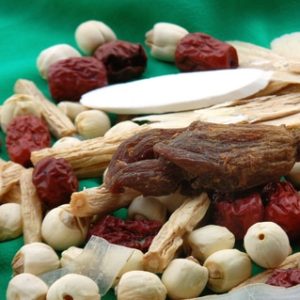
Traditional preparation of Chinese herbs involves boiling a mix of herbs, which can be roots, flowers, berries or seeds, and drinking the tea. Thanks to modern invention, herbs are now offered in more convenient methods of preparation, including pills, powders and tinctures. The formulas used today were written thousands of years ago and are still relevant in modern treatment! Let’s take a closer look at Chinese herbal formulas…
The Building Blocks: Individual Herbs
At the heart of every formula are individual herbs, each with its own unique properties. In TCM, herbs are classified in several ways to guide their use.
First, herbs are grouped by category, based on their primary action in the body. Some herbs tonify (or supplement), while others drain, move, or disperse. These categories help practitioners determine how to restore balance within the body.
Next, each herb is assigned a temperature and taste, both of which influence its therapeutic effect. In Chinese medicine, flavor is more than sensory—it reflects function:
- Sweet herbs tend to nourish and tonify
- Bitter herbs drain and clear heat
- Sour herbs astringe and stabilize
- Pungent herbs disperse and promote movement
- Salty herbs soften and dissolve
Many herbs possess more than one taste, contributing to their complexity and versatility. No two herbs are exactly alike, which allows for highly customized treatment approaches.
Finally, herbs are associated with specific channels (or organ systems), meaning they have targeted effects within the body. This allows practitioners to direct treatment precisely where it is needed.
The Elegance of Herbal Formulas
While individual herbs are powerful, they are rarely used alone. Instead, they are combined into carefully balanced formulas designed to address specific TCM patterns of imbalance.
It’s important to note that TCM does not treat diseases in the same way as conventional medicine. Rather than prescribing a formula for a named condition like PCOS, practitioners identify underlying patterns—such as “damp accumulation” or “blood deficiency”—and select formulas that address those patterns.
What makes these formulas so sophisticated is their structured design. A classic Chinese herbal formula is composed of four roles:
- Chief (Jun): The primary herb, used in the highest dose, which addresses the main condition
- Deputy (Chen): Herbs that support the chief or help address secondary concerns
- Assistant (Zuo): Herbs that balance the formula, reduce potential side effects, or moderate harsh properties
- Envoy (Shi): Herbs that guide the formula to specific channels or areas of the body
This layered approach ensures that formulas are not only effective but also balanced and gentle. For example, if a formula includes very “cold” herbs to clear heat, other ingredients may be added to protect digestion and prevent unwanted side effects.
A Tradition That Endures
Chinese herbal medicine is both an art and a science, refined over thousands of years. Its strength lies in its ability to treat the body as a whole, focusing on restoring balance rather than simply addressing symptoms. In a modern healthcare landscape, TCM offers a rich and complementary approach to wellness. When used alongside conventional treatments and guided by a trained practitioner, Chinese herbal formulas can support the body’s natural healing processes in a thoughtful and individualized way. As more people seek holistic and integrative care, this ancient tradition continues to prove its value—bridging the wisdom of the past with the needs of the present.

Leave a Reply