

Chinese herbology is a key treatment within the scope of Traditional Chinese medicine (TCM). Herbs are supportive to acupuncture in that they are taken on a daily basis, whereas acupuncture if often administered 1-2 per week. Understanding Chinese herbology is fascinating and helps to give a deeper dive into traditional Chinese medicine theory.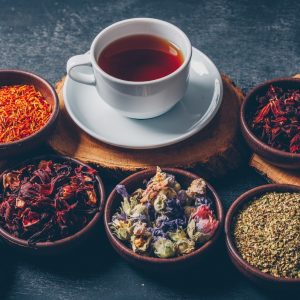
The building blocks of Chinese formulas are single herbs. Each herb is categorized by its taste, temperature, and channels affected. The taste of an herb reveals its function: bitter drains, sour astringes, sweet tonifies, spicy disperses, and salty softens. Because taste corresponds with function, the overall flavor of a formula often reflects what it is designed to accomplish.
The temperature of herbs also has specific effects on the body. For example, a patient presenting with a “hot” condition—characterized by sensations of heat, red skin, and excessive thirst—requires cooling herbs. Some herbs make this quality easy to recognize: watermelon is inherently cooling, whereas ginger has a naturally warming effect.
Finally, each herb enters and influences certain acupuncture channels. Accurate diagnosis in Chinese medicine depends not only on identifying the nature of the problem but also on locating where it resides. For instance, heat in the Heart channel differs greatly from heat in the Liver channel. Using the wrong herbs—such as those that clear Liver heat for a condition rooted in the Heart channel—will lead to unsuccessful treatment.
Herbs are rarely used alone. Instead, they are prescribed in formulas, carefully balanced combinations designed to treat specific patterns of disharmony. These formulas, many over 3,000 years old, are often modified for each patient in modern practice. The true skill of a practitioner lies in selecting the correct base formula and then adjusting it with additional herbs to suit the patient’s unique presentation.
Formula modification is the final step in prescribing Chinese herbs. Most people have several patterns and therefore one base formula rarely addresses the entire picture. Therefore, being able to add or subtract single herbs to traditional formulas is imperative in successfully treating the condition. Sometimes a subtle dosage change or the addition of a single complementary herb can make all the difference.
In the end, the greatest reward is seeing the many benefits patients experience after taking herbs—a true testament to the effectiveness and artistry of Chinese herbal medicine.

Leave a Reply